Why Eden Gardening is the Most Practical Garden Method Society Needs Right Now
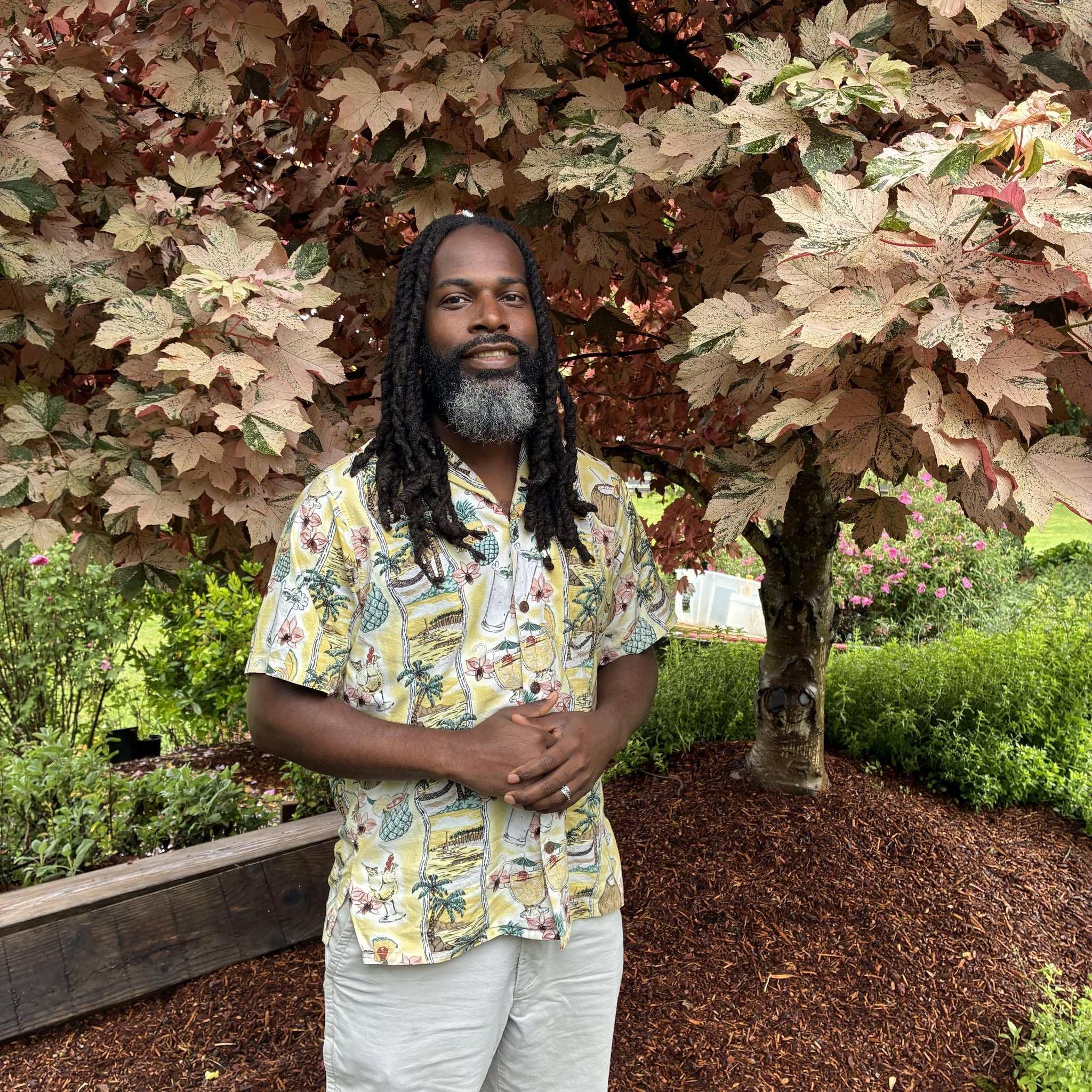
Trimaine Clark at JAndy Acres in Tillamook, Oregon
Why on Earth are we tilling the ground and working so hard just for food? What happened? Adam didn't start tilling the ground until after the fall. How do we get back to the way things were? As a farmer and founder of Little L Salsa Garden, my transition from Texas farming to Oregon opened my eyes to the answers to these questions. With the help of my wife, at Sow Reap Gal, I was introduced to a no-till method of farming, known as Eden Gardening. This method has gained tremendous momentum lately, thanks to Paul Gautschi and his Back to Eden Gardening documentary, which reintroduced a cost-effective, eco-friendly, and a less labor intensive approach to living from the land. As millennials and Gen Z come into the rising awareness of healthy living through diet and growing your own food, sustainable practices are also in demand.
What is Eden Gardening and Why is it So Important?
Have you ever noticed how vegetation thrives in forests and throughout wildlife without our intervention? That's because the natural environment creates its own suitable conditions that our cherished plants use to produce. Take the forest floor for example, it's covered in its own mulch from leaves, twigs, and wood chips. This serves several purposes, a few include:
As they decompose, they feed the soil with organic matter
Retains moisture by shielding the soil from the sun
Suppresses weeds
Protects from freezing temperatures
Provides food and habitat for beneficial organisms like earthworms, beetles, and microbes
Turns unused land and food deserts into productive spaces
Builds soil health without the use of chemicals
Eden Gardening repeats this process of taking the natural resources, creating our own personal forest floor, and growing through a self-sustaining system. This means it's not only cost-effective, it's also eco-friendly, especially when you consider minimizing food waste through composting. Along with this, because we're limiting the amount of tilling, and only adding to the soil, we help restore the Earth in the process. Whether you're working with 10 feet of space, or 10 acres, Eden Gardening makes fruitful results possible.
Leaders Already Living Eden Principles in Real Life
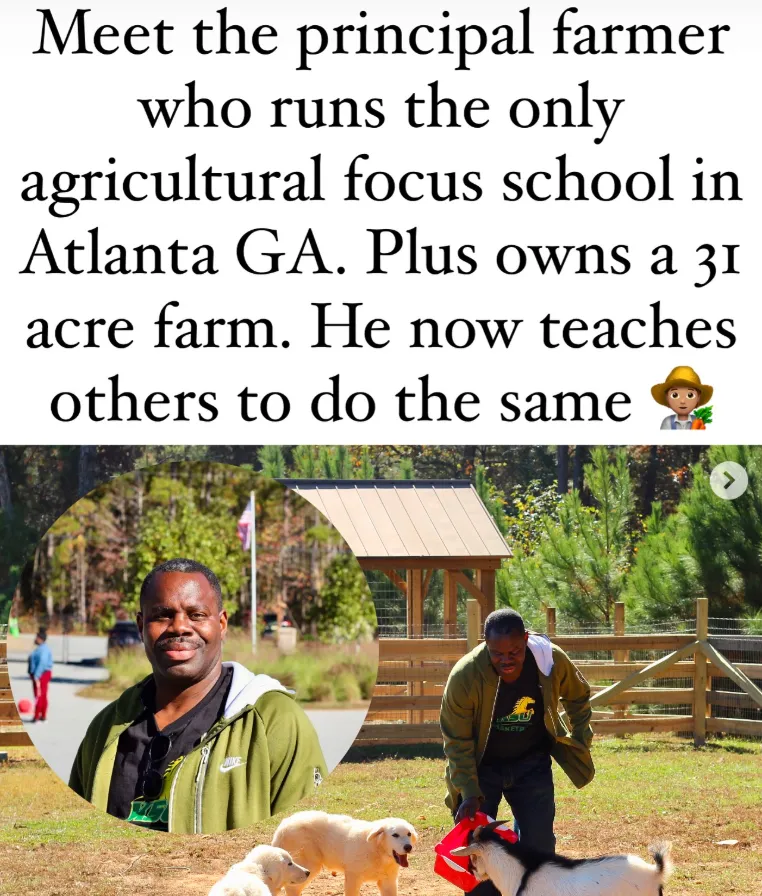
Meet Patrick Muhammad, the principal farmer. He currently serves as a living example of how 31 acres and willingness can introduce the next generation to the mentally rewarding trade and skilled profession of agriculture. While being the principal at Chattahoochee Hills Charter School in Georgia, partnered with John Deere, he also oversees the growing of fruits and vegetables, along with raising cattle, chickens, dogs, horses, and worms. This is one of many movements that encourage self-sufficiency, food literacy, and in turn, sustainability.
How to Get Started and How to Learn More
Looking for ways to get involved? I've written an e-book through Little L Salsa Garden, The North Texas Garden Revolution, which gives insight and foundational principles to beginner and experienced gardeners across the country. Want a free copy? Go to the registration page here and request your copy today. Let's start there!